Artist’s notebook

The thoughts behind the images.

On where a story begins, how images take shape, and how sound and editing create a film's rhythm.

01 / Artist’s statement

A room, a light, a backward glance.

My work often begins with a room, a light or a backward glance. I am drawn to women's lives within history, family and love, and to the ways people hold on to dignity after loss. Through a face, a space or a stretch of silence, cinema allows me to express experiences that are difficult to put into words.

Classical aesthetics, opera and the visual world of old Europe help me convey grandeur, vulnerability and human complexity. Writing clarifies what my characters feel and do. Visual development creates the spaces they inhabit, while music, sound and editing shape how audiences experience their stories. I keep refining the relationship between character, image and rhythm throughout the process.

AI expands what an independent filmmaker can create. Working with generated images, movement, sound and music still calls for decisions about composition, rhythm and editing. When a film ends, I want viewers to remember its characters, their names and the feelings that stay with them.
02 / The work & its making

Constraint and freedom.

About Beyond the Walls ↗

From writing to images: three creative choices

Writing the life before making the images

The completed narrative gave me a basis for planning the shots in Beyond the Walls. I used shifts in the character's feelings to judge how long a scene should last. Pauses in conversation and small changes in expression needed time to register. The writing established her circumstances; the shots gave those circumstances a rhythm the viewer could feel.

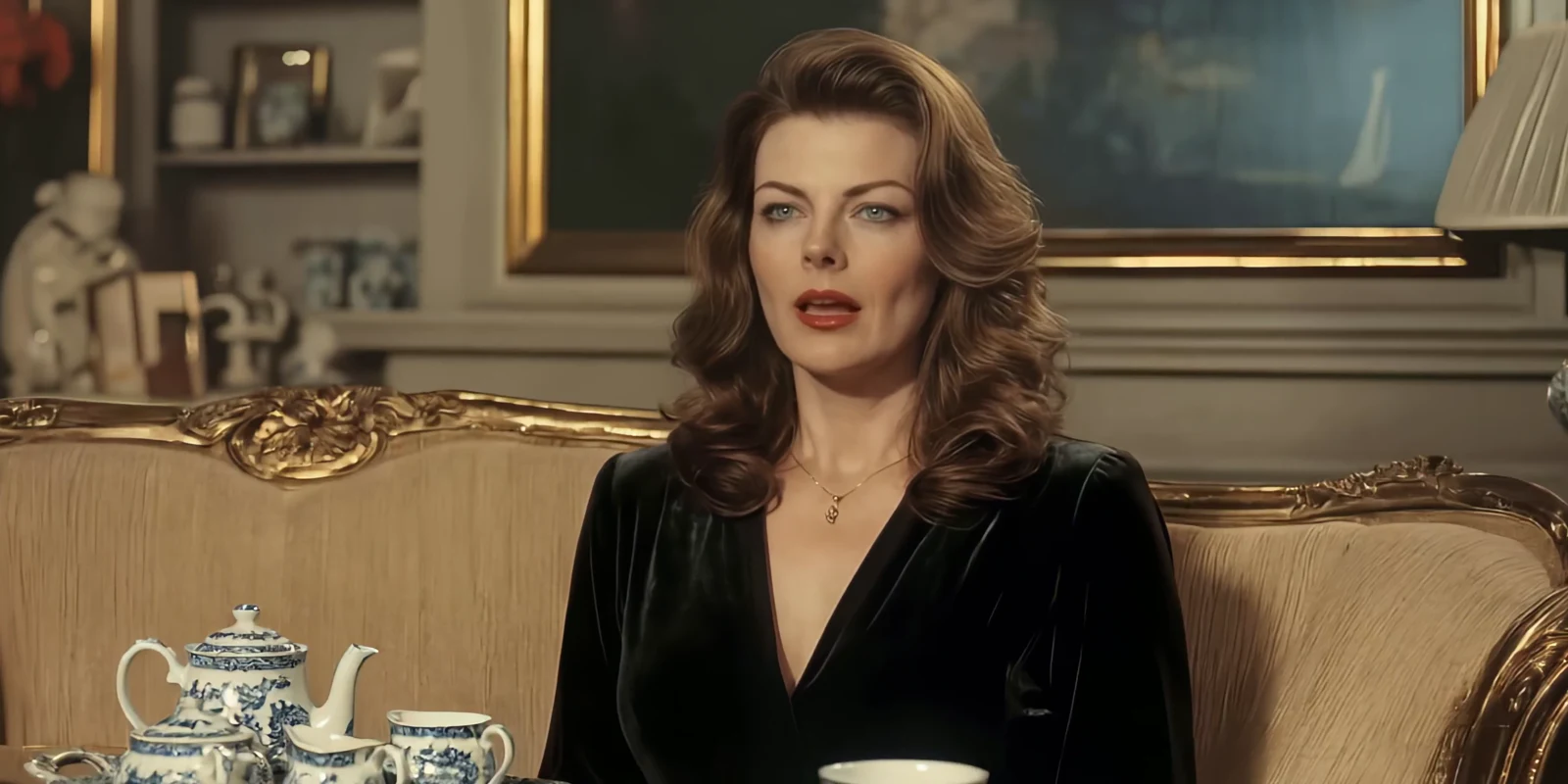
Beyond the Walls · The drawing room
Film still

Light falling on tangible materials

For the interiors, I established a palette of dark brown, deep green and warm grey, with soft, low-contrast natural window light. Fabrics, wooden furniture and aged walls were equally important. In the drawing-room frame, dark clothing, wooden frames and a pale sofa give the character a tangible setting. Small changes in expression have a place to register.

Dark brownDeep greenWarm grey
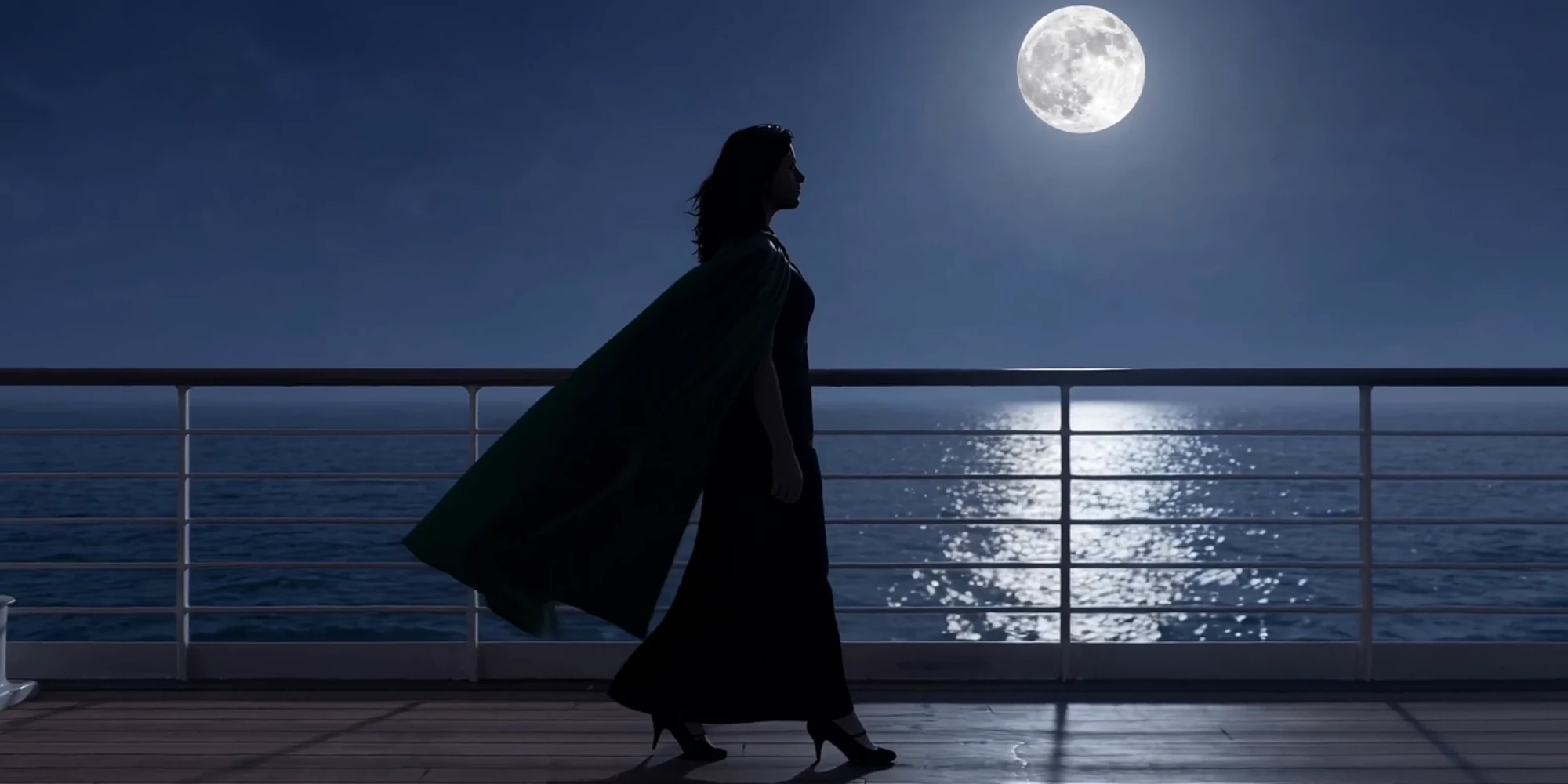
Beyond the Walls · Moonlit deck
Film still

Returning the still image to time

Once the images are established, movement, sound and editing continue to shape their meaning. The moonlit deck places the character within a wide, quiet space. Moving from a still to the trailer lets the viewer experience motion and hear how sound changes the image. Throughout this process, emotional expression and the texture of the film guide my judgment of whether each shot belongs.

Watch the trailer & explore the film ↗

Production tools

Image creation
Nano Banana
Moving image
Seedance
Music
Udio
Editing
剪映 / Jianying

03 / Opera & cinema

The breath of a film.

Classical aesthetics, opera and the visual world of old Europe continue to influence my work. They help me express human dignity, vulnerability and complexity. The emotion of a scene guides how long a shot lasts, when a sound enters and when a character falls silent.

Music, sound and editing work together to shape a film's rhythm. The connections between shots, and the time spent on each image, influence how the audience experiences the film.

04 / Time & womanhood

Women's lives across time.

The Minutes follows three women across three eras, exploring how choices and losses in the past shape the lives that follow. Its classical imagery is paired with the emotional intensity of opera.

The Minutes — in production ↗